A Buyer's Guide to Bethlehem Homes for Sale in 2025
When I first started helping clients look at Bethlehem homes for sale, I noticed something that surprised me. Many buyers came in expecting a quick suburban flip, the kind of cookie-cutter new construction you see in developments outside Allentown. But Bethlehem is different. It does not offer a uniform product. Instead, it gives you a choice between two very distinct lifestyles, each with its own costs, charms, and trade-offs. Understanding that choice is the real first step toward finding the right home here.
Bethlehem sits about fifty miles north of Philadelphia, straddling the Lehigh River. Its dual identity as a historic Moravian settlement and a former steel town means the housing stock ranges from 18th-century stone row houses to early 20th-century worker cottages, from Victorian mansions to post-war ranches. That range can be overwhelming if you do not know what you are walking into. But if you take the time to understand the neighborhoods and the market rhythms, you will find that Bethlehem homes for sale offer some of the best value in the Lehigh Valley, especially when you compare them to similar historic towns in the region.
The Two Sides of Bethlehem
The most practical way to think about Bethlehem real estate is to split it into two halves: the North Side and the South Side. The North Side, anchored by the historic downtown and the Moravian University campus, is where you find the most desirable older homes. Streets like Market, Main, and Church are lined with brick townhouses and stone farmhouses that date back to the 1740s. These homes have thick walls, original hardwood floors, and deep windowsills. They also come with old-house problems: outdated electrical systems, single-pane windows, and basements that leak when the snow melts fast.
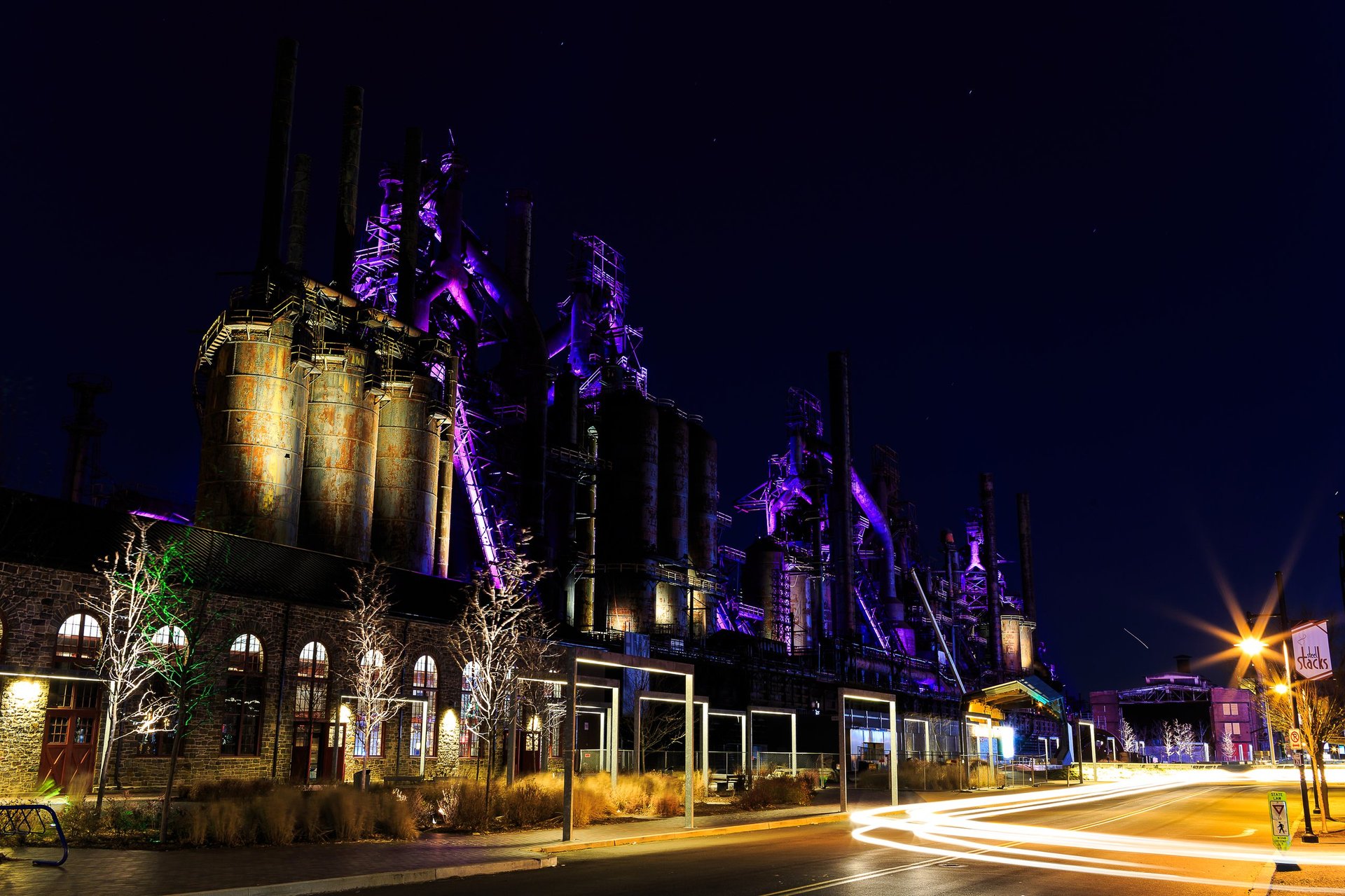
The South Side, on the other hand, was built by Bethlehem Steel. It is denser, more working-class, and more affordable. You will find rows of brick twins and small single-family homes that were originally built for steelworkers in the early 1900s. The lots are smaller, the streets narrower, and the parking situation can be tight. But the community feel is strong, and the prices are significantly lower. A buyer who is willing to do some cosmetic work can often find a move-in ready two-bedroom on the South Side for well under $250,000, whereas a similar square footage north of the river might cost $350,000 or more.
What the Market Looks Like Right Now
As of early 2025, the Bethlehem market is still competitive but not as frenzied as it was in 2021 and 2022. Inventory has crept up slightly, especially in the mid-range of $300,000 to $450,000. Days on market have stretched from a week to about three weeks for well-priced homes. That gives buyers a little more room to breathe, but it does not mean you can take your time. Good homes in good condition still draw multiple offers, especially if they are in the historic district or near the South Side restaurants and bars.
Interest rates have settled in the high six percent range, which has cooled the market for first-time buyers. But cash buyers and people with substantial equity from previous homes are still active. That dynamic means sellers are pricing more realistically than they were two years ago. I have seen fewer listings that start twenty percent above market value and then sit for months. Most sellers now understand that a clean, well-priced home moves fast. A home that needs work or sits in a less desirable part of town may linger and eventually drop price.
Neighborhoods Worth Your Attention
If you are looking at Bethlehem homes for sale, you should know the neighborhoods by name. Here is a quick orientation to the areas that come up most often in my conversations with buyers.
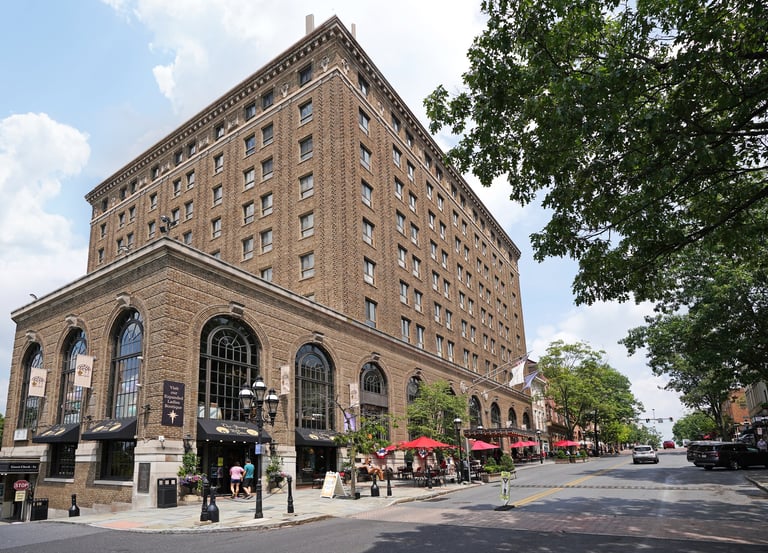
- Historic Downtown (North Side): This is the postcard image of Bethlehem. Crisscrossed with brick sidewalks, gas lamps, and the iconic Central Moravian Church. Homes here are expensive for the city, often $400,000 and up, but they hold value. The trade-off is that many lack off-street parking and have small yards.
- West Bethlehem: A quiet, leafy area west of the downtown. It has a mix of mid-century ranches, split-levels, and a few Victorians. Good schools, larger lots, and more parking. Prices are moderate, around $300,000 to $500,000. This is where families tend to settle.
- South Side: The most affordable entry point. You can still find fixer-uppers in the $150,000 range. The neighborhood is walkable to Lehigh University and the SteelStacks arts campus. It has a younger, more transient feel, but the long-term residents are deeply rooted and look out for each other.
- Bethlehem Township: Technically not inside the city limits, but often lumped into the Bethlehem market. This is suburban sprawl: newer subdivisions, big box stores, and good highway access. Homes here are more uniform but also more predictable. If you want a three-bedroom, two-bath colonial with a two-car garage, this is where you find it.
Hidden Costs and Practical Advice
One thing I always tell buyers is to budget for the age of the home. A historic house in Bethlehem might look charming, but it can have hidden costs that a newer home will not. Old plumbing, knob-and-tube wiring, and lead paint are common. The city has a strong historic review board, so you cannot just replace windows with vinyl or change the front door without permission. That is fine if you value preservation. It is frustrating if you just want a low-maintenance home.
On the South Side, the main issue is parking. Many row homes have no driveway and limited street parking. If you own two cars or have frequent visitors, that becomes a daily headache. On the plus side, the South Side has better access to the greenway along the Lehigh River and the growing food scene around Third and Fourth Streets.
Another practical point: property taxes in Bethlehem are moderate compared to New Jersey or the Philadelphia suburbs, but they are higher than in some surrounding townships. Make sure your agent runs a full tax history for any property you seriously consider. Some older homes have been assessed at values far below their market price, and the tax bill can jump after a sale.
Who Should Buy in Bethlehem?
Bethlehem is not for everyone. If you want a brand-new home with no maintenance surprises and a big yard, you are better off in a township development. But if you value walkability, history, and a downtown that actually has things going on, Bethlehem is hard to beat. The city runs a year-round calendar of festivals, from Musikfest in August to Christkindlmarkt in December. The arts scene is real, not just a marketing slogan. And the commute to New York City, while long, is doable via bus or train if you only go in a couple of days a week.
I have worked with buyers who fell in love with a South Side twin because they could walk to the SteelStacks concerts and never need a designated driver. I have also worked with families who chose West Bethlehem because the elementary school was two blocks away and the backyard had room for a swing set. There is no single right answer. The right home depends on your tolerance for old-house quirks, your budget for repairs, and how much you value being part of a real neighborhood.
One last piece of advice: get pre-approved before you start looking. The market has slowed, but the best homes still go under contract quickly. Sellers want to see a pre-approval letter with an offer. And work with a local agent who knows the difference between a North Side row home and a South Side twin, because that difference matters a lot more than the listing photos suggest.